Organic and Fair trade cotton
First fully integrated and certified organic and fairtrade cotton chain in India
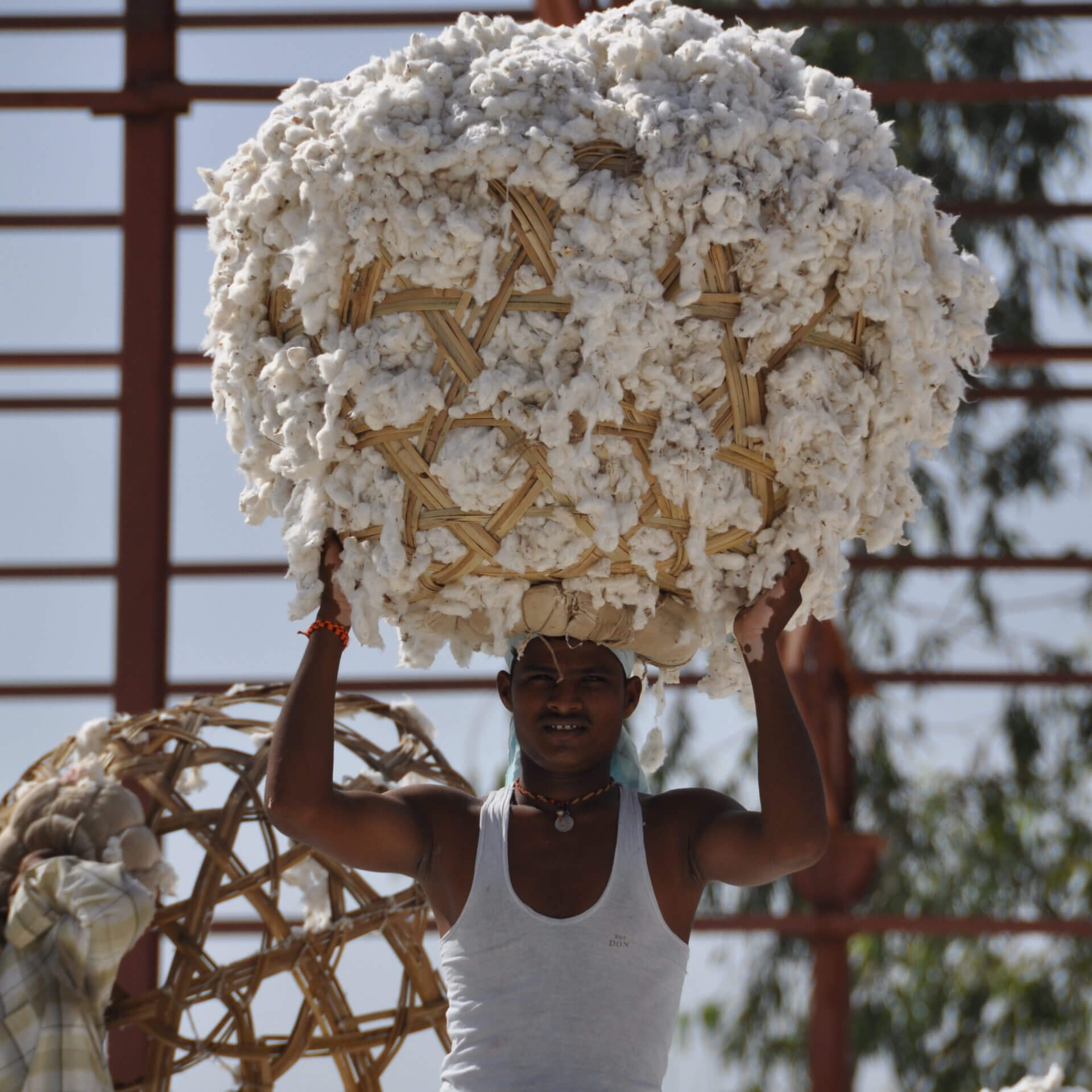
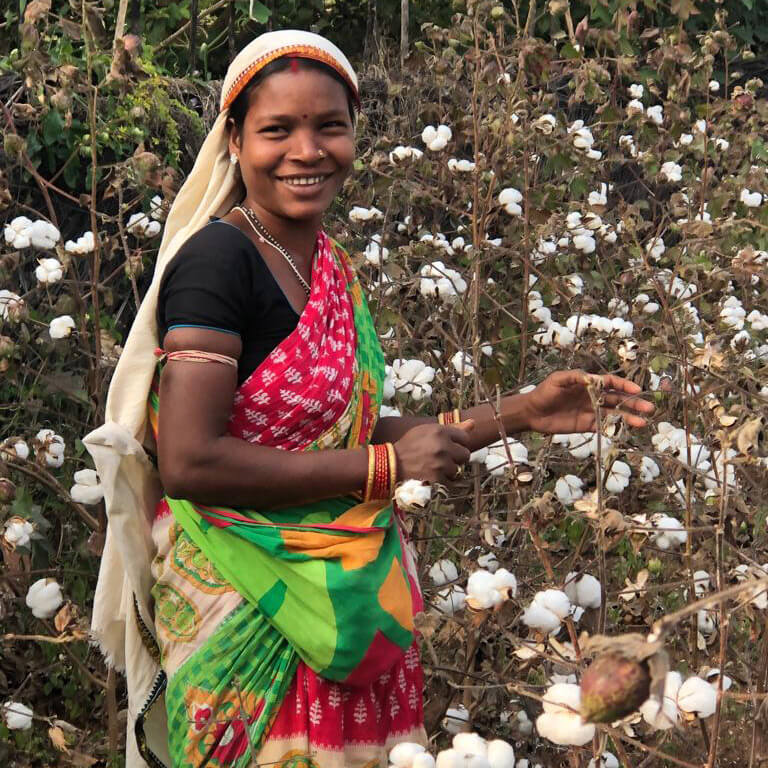
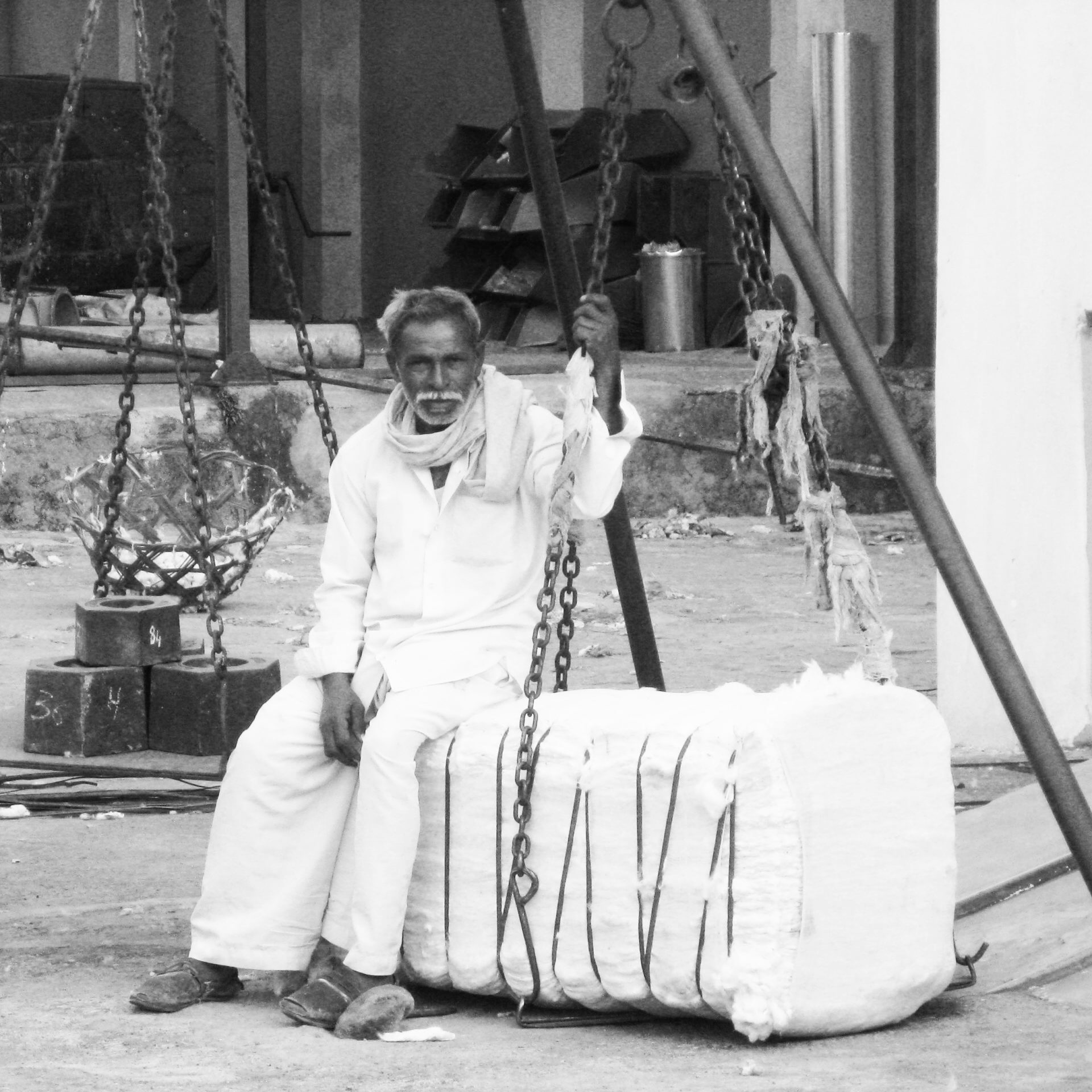
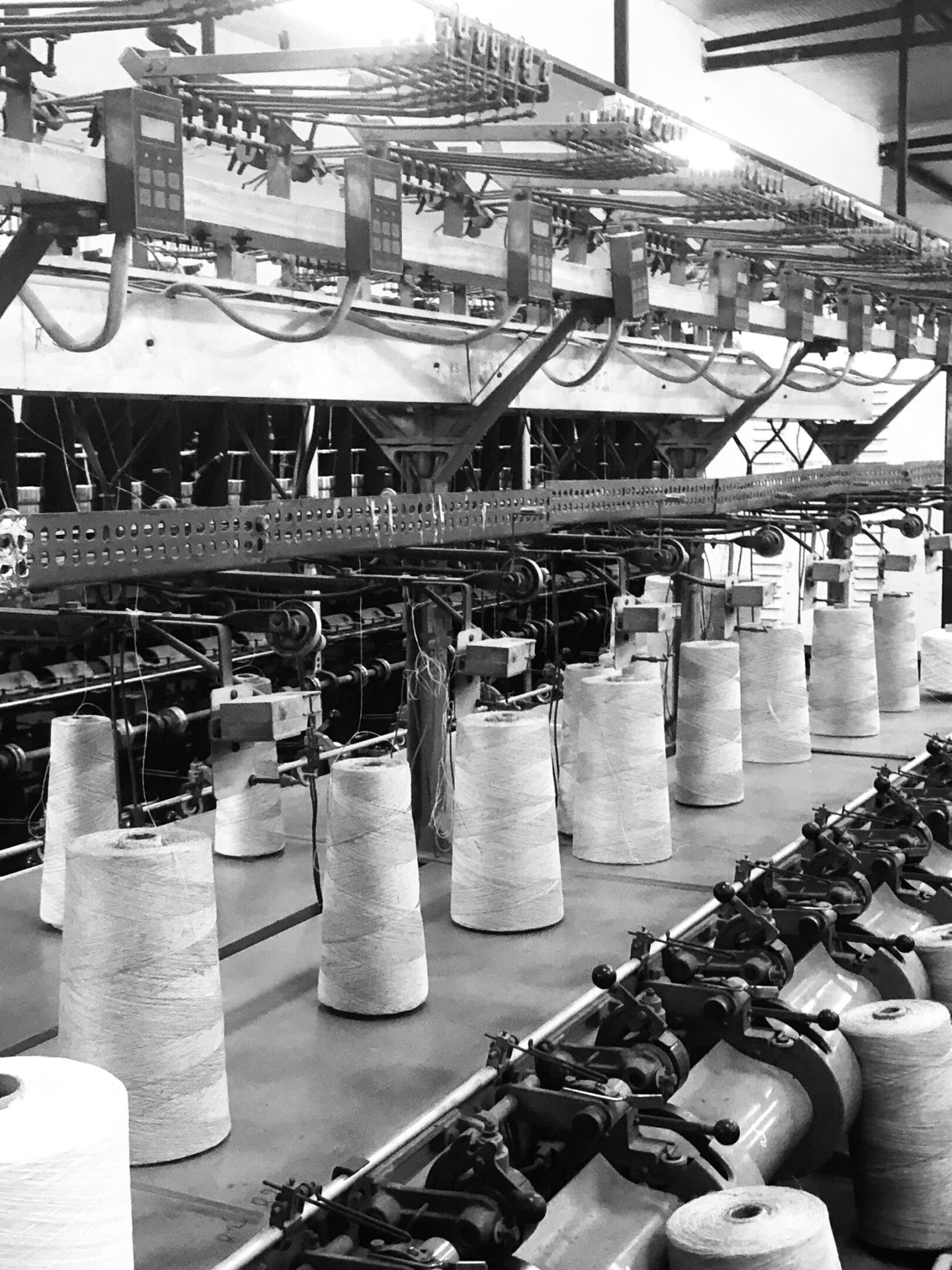
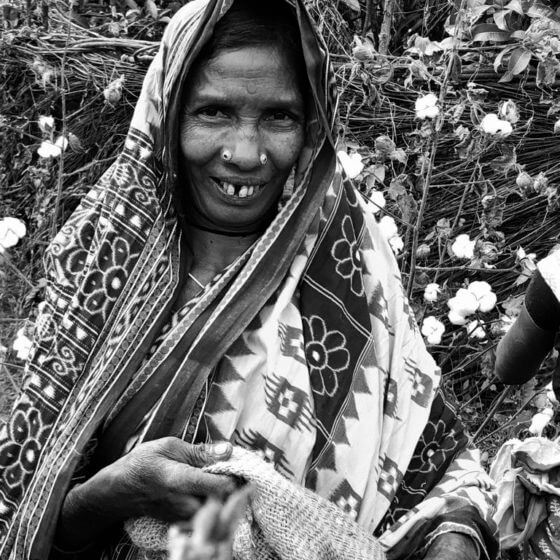
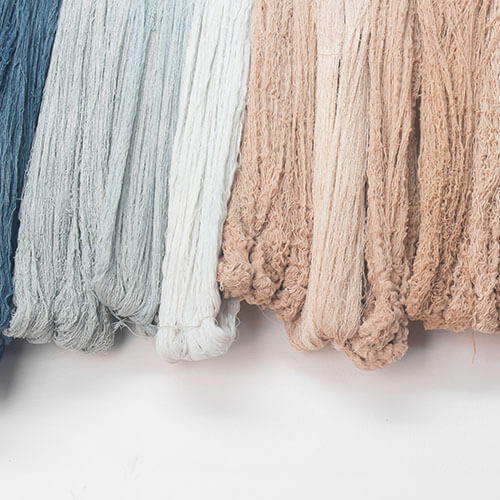
From the cotton farmers who are members of the cooperative to the garment workshops, including spinning, weaving, dyeing… The entire chain is traced and all the players are certified according to GOTS and Flocert standards.
HISTORY
And everything made sense more than 15 years ago
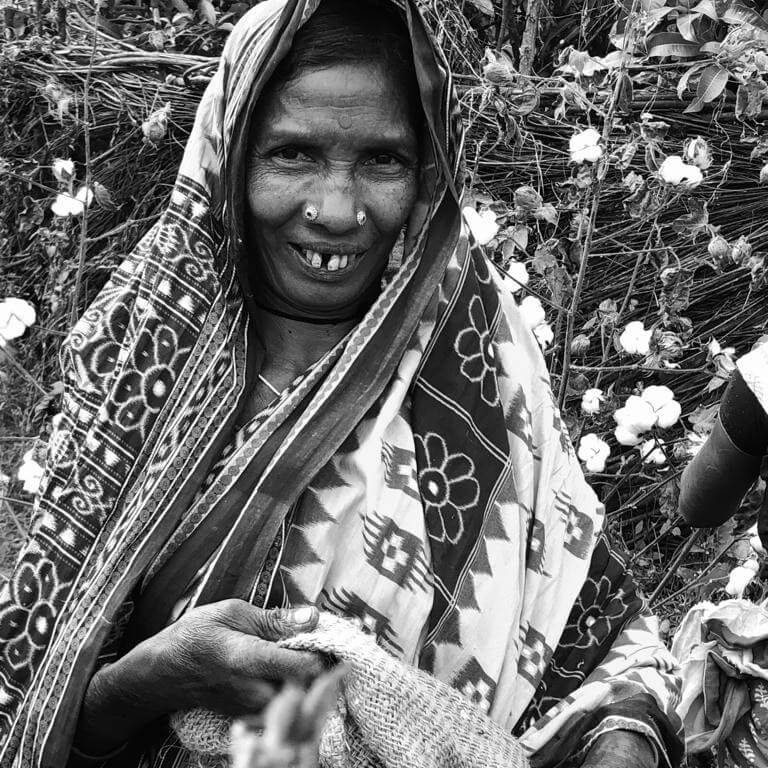
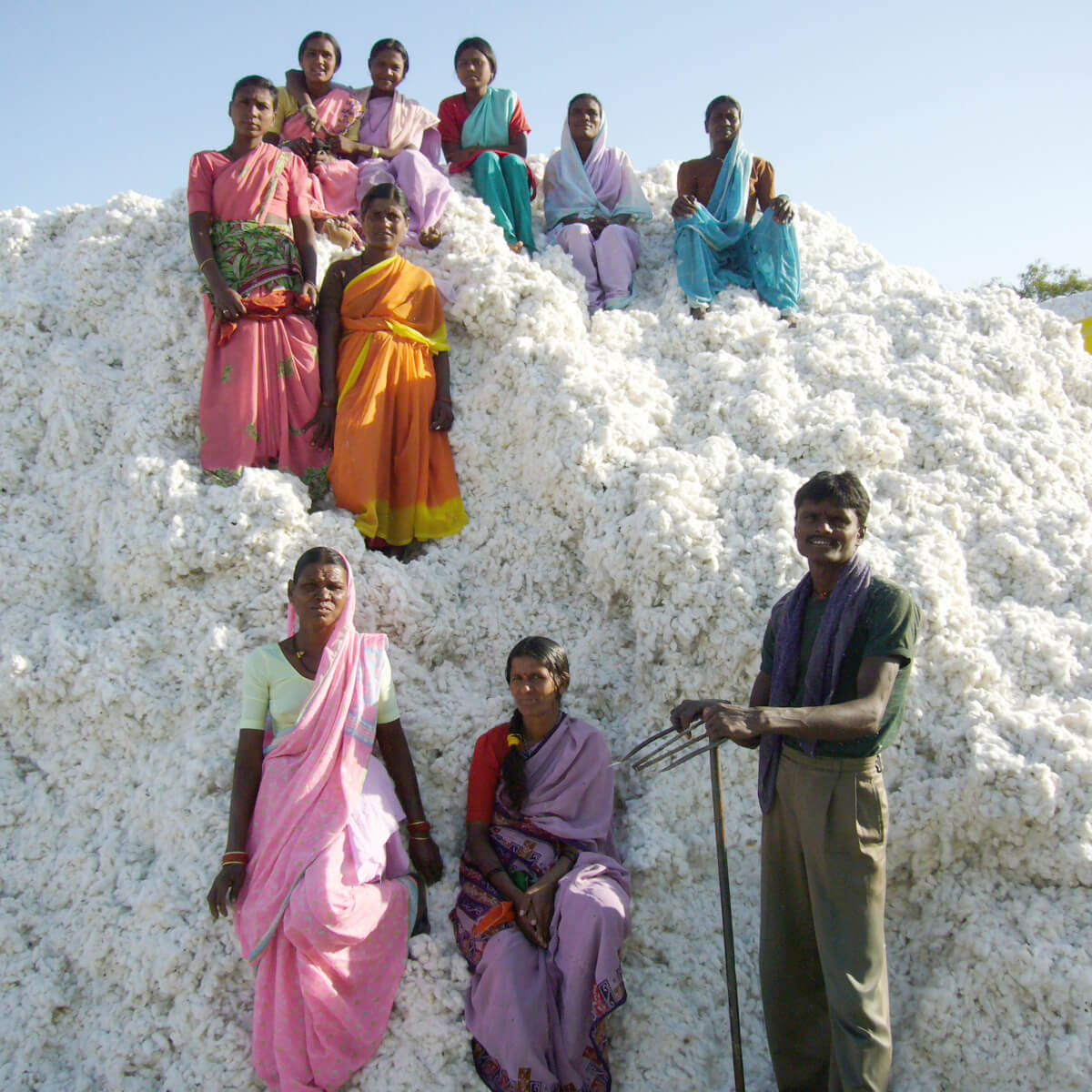
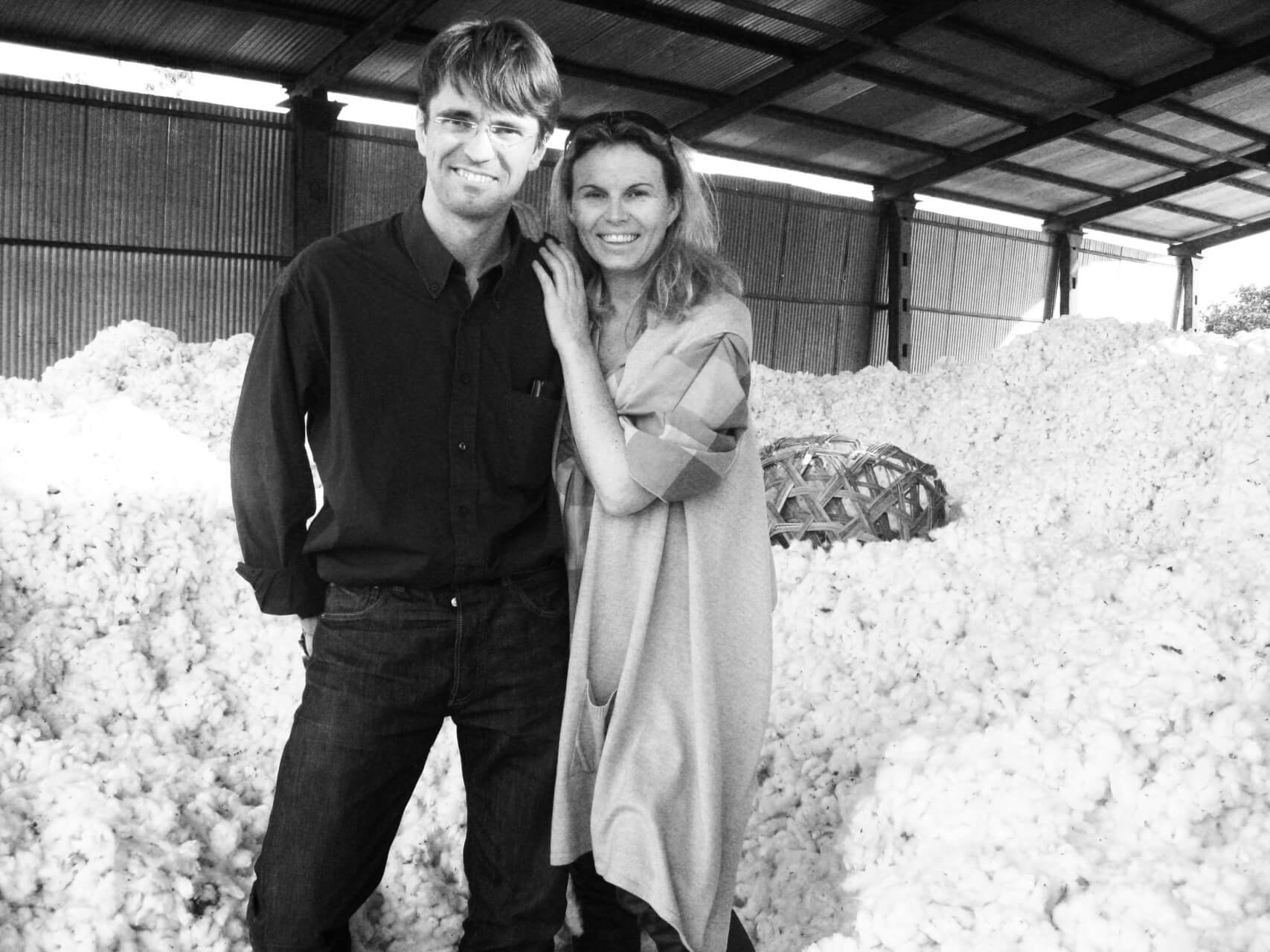
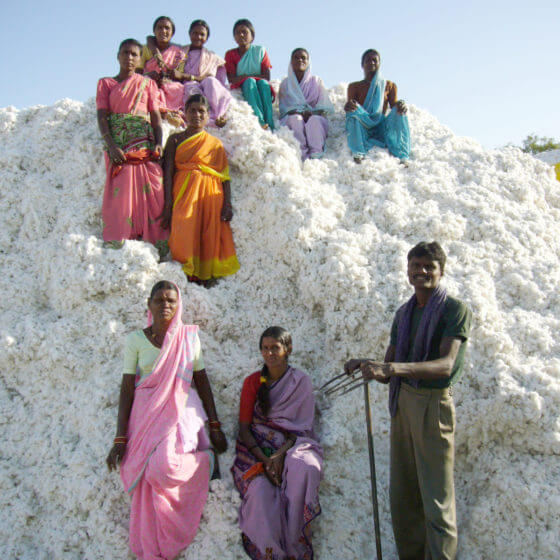
In 2003, 30 cotton farmers joined forces in a cooperative to commit to organic and fair trade certification. Today there are 35,000 of them…
The road travelled is tremendous and the human & economic benefit is huge. Now electricity has arrived in the villages, all the children go to school, no more health problems related to pesticides, better remuneration, no more debt on the shoulders of producers… and the soil is alive!
Made How
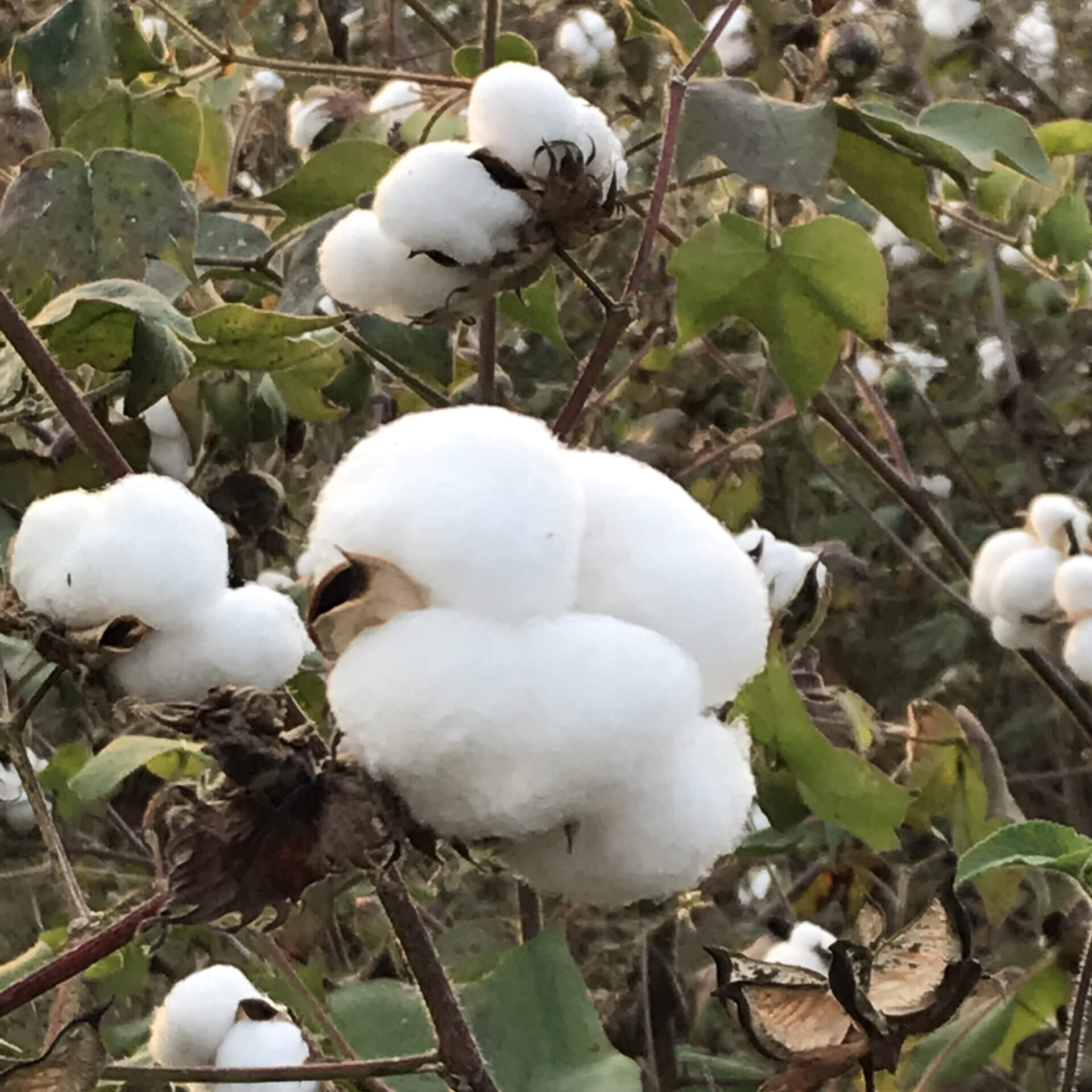
It is the best cotton in the world, an exceptional quality of fibre that we enjoy sharing so much.
Beyond the ethical commitments that make this chain a model of its kind, the constantly increasing yields and the quality of the fiber produced demonstrate the great interest of organic cotton in comparison to conventional cotton.
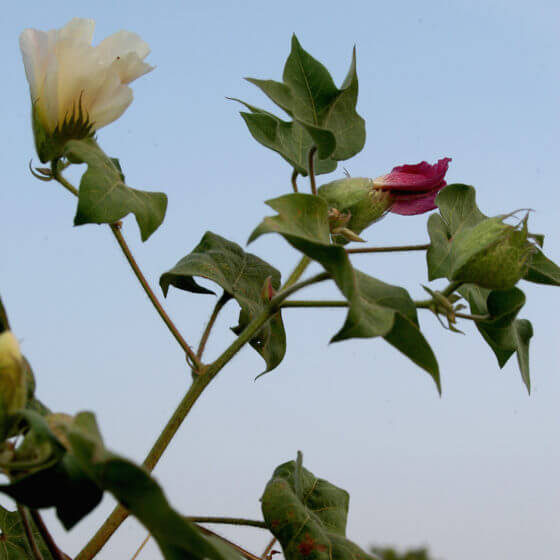
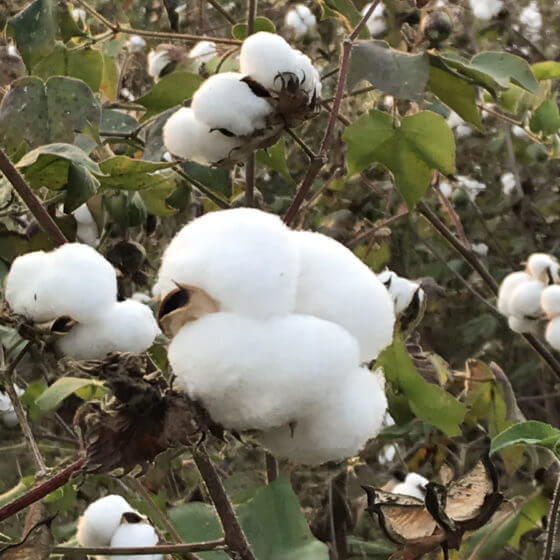

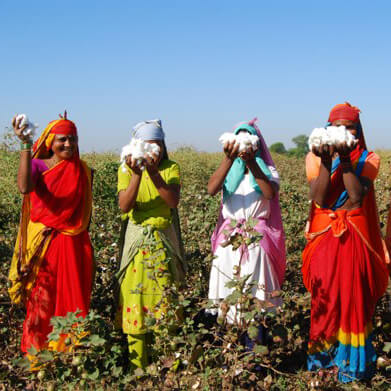
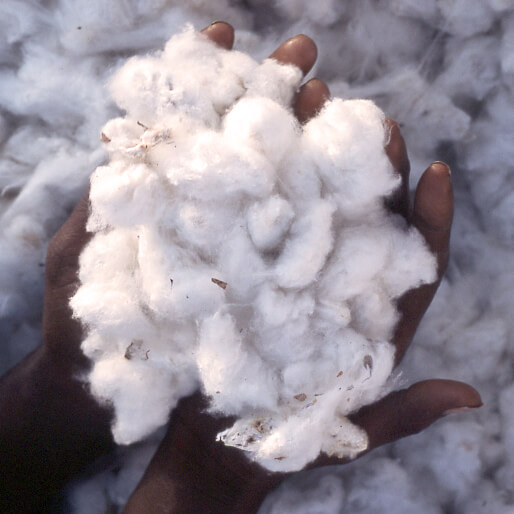
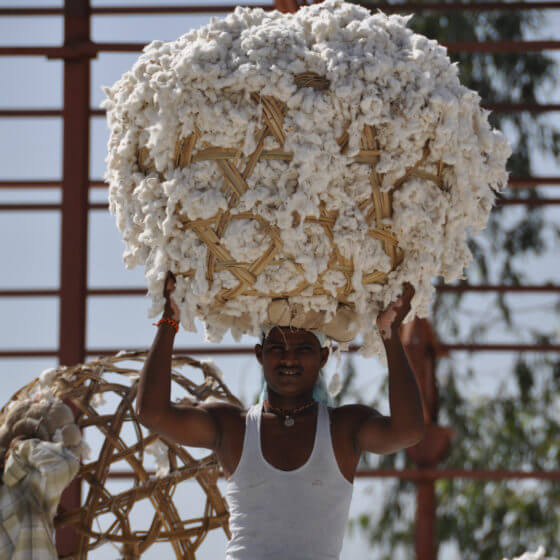
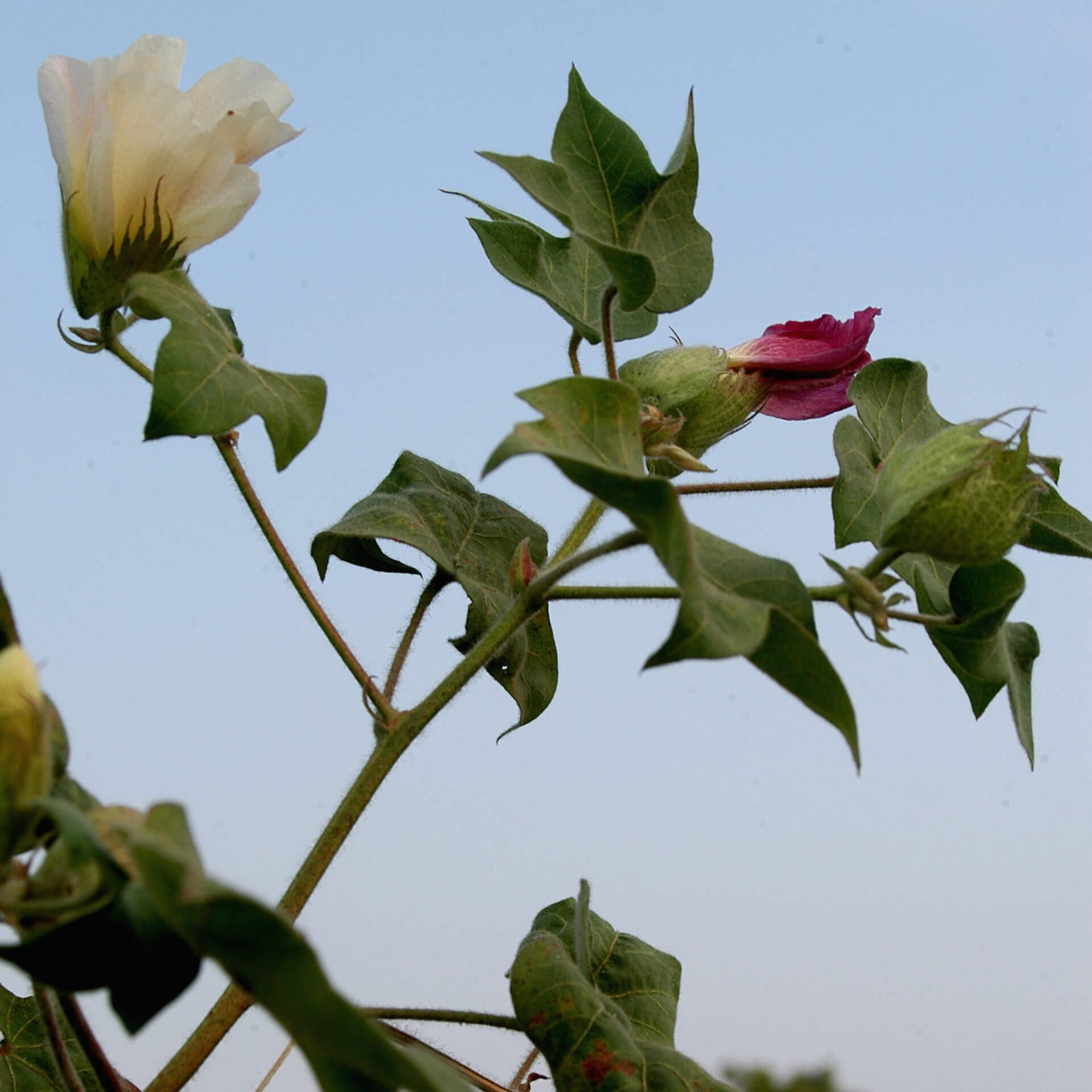
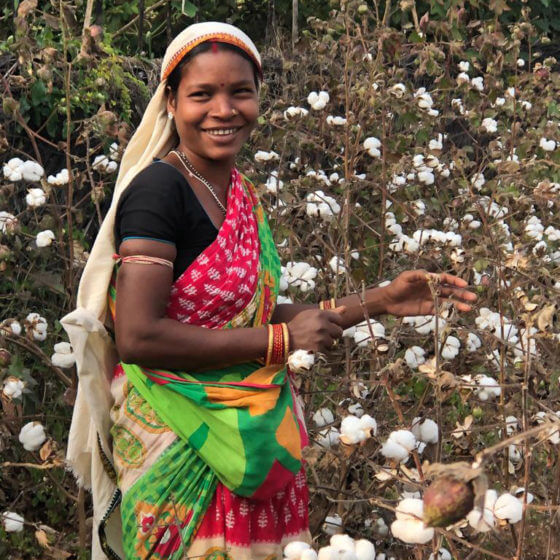
Organic cotton is grown with natural compost that replaces chemical fertilizers, and without pesticides and GMOs.
We are able to meet the most diverse requests for knitted stitches, cut & sewn, bath linen, household linen, bags and totebags….
The entire supply chain is tracked and all players are certified according to GOTS and Flocert standards for fair trade
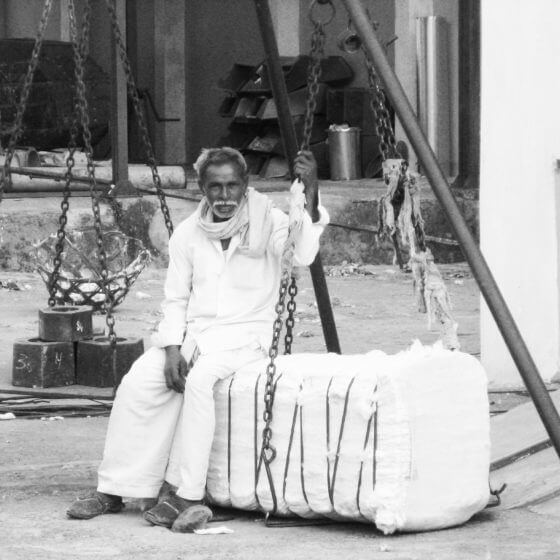
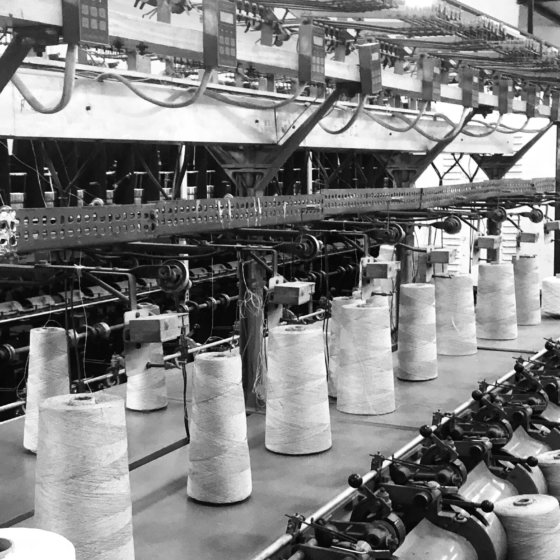
PARTNERSHIP
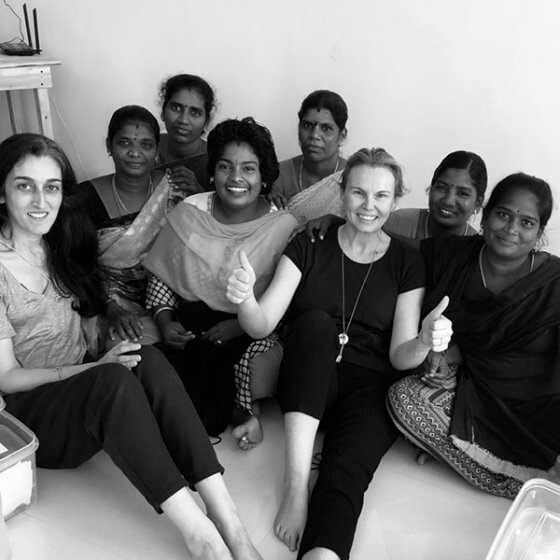
An exemplary partnership is first and foremost a story of people and shared values
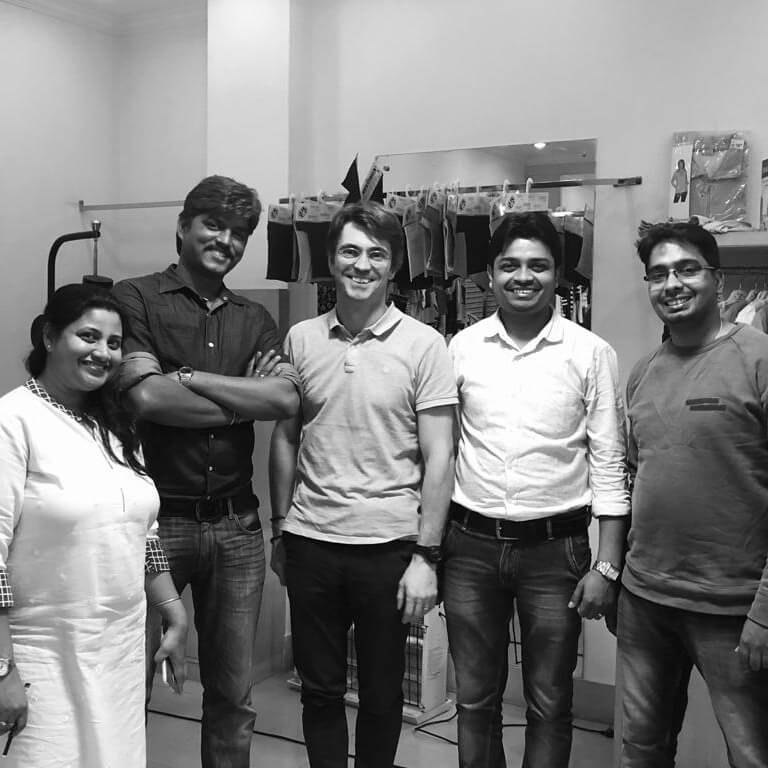
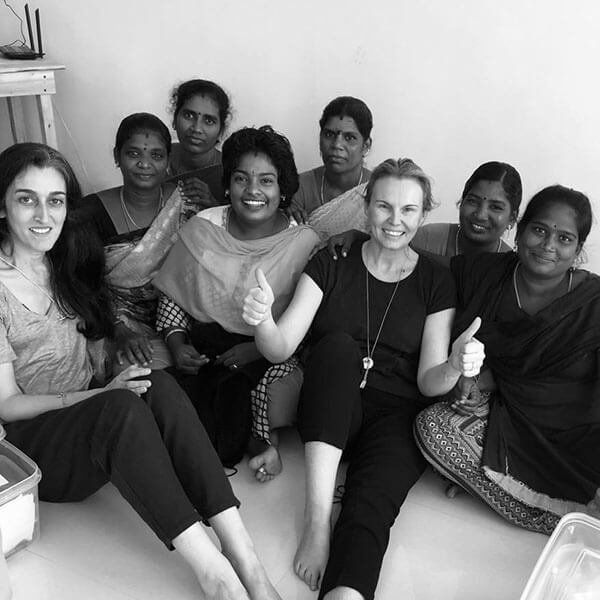
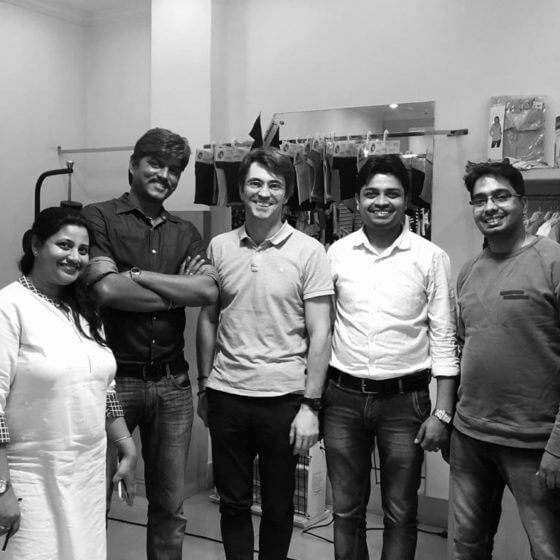
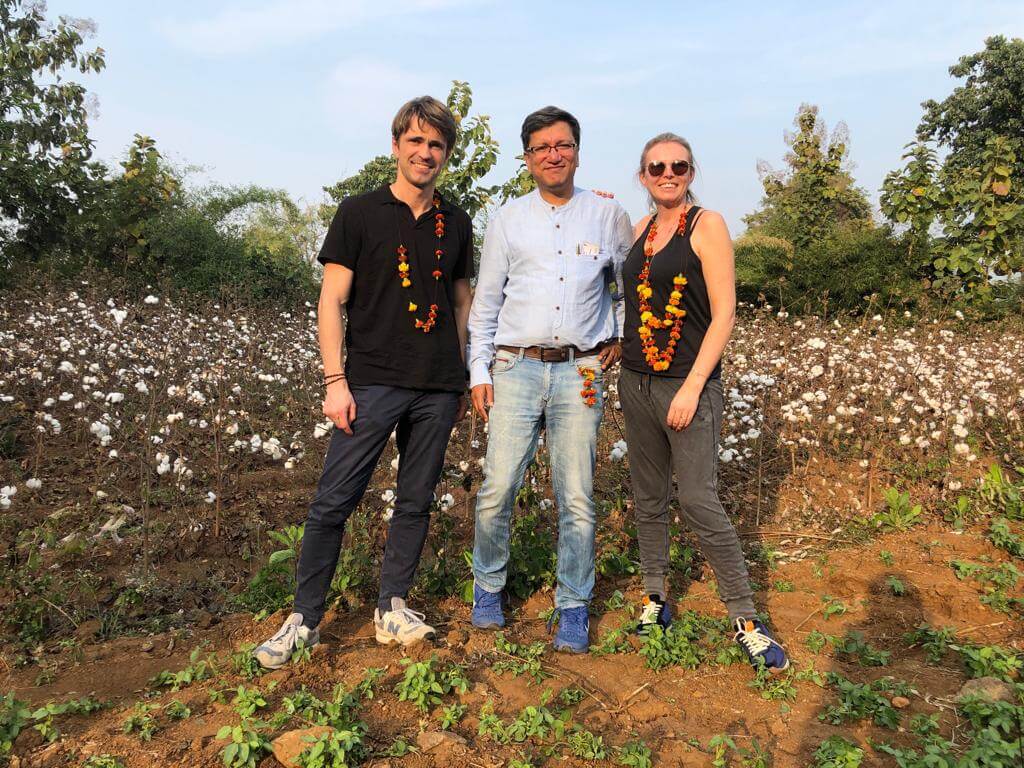
We are proud of the history we are writing on a daily basis with our partners in India and in particular with the first of them, a pioneer and referent of organic textiles in India. For 15 years we have climbed the mountains together to reach a strategic partnership for the French market and the opening of a GOOD FABRIC showroom in Delhi.
COMPARATIVE
CONVENTIONAL COTTON
25% of pesticides used worldwide for 2.5% of cultivated areas
3rd most water-consuming crop in the world
2nd most polluting industry in the world
Synthetic fertilizers used
Millions of farmers poisoned each year
Traces of toxic substances that can be absorbed through the skin
ORGANIC COTTON
Use of natural fertilizers
Crop rotation: better soil fertility
Preservation of biodiversity
GMO-free
-98% water pollution
-94% of greenhouse gas emissions
Better standard of living (+25 to +30% of +)
Creation of 100% organic and sustainable villages
All plants are regularly inspected and certified
Respect and rights of persons
Traceability Health Safety Safety Quality